Introduction
Percentages are one of the most commonly used mathematical concepts in everyday life. Whether you are shopping for discounts, calculating taxes, tracking savings, measuring business growth, analyzing exam results, or understanding financial reports, percentages help you compare values quickly and easily. Although the concept may seem simple, many people struggle with percentage calculations because they are unsure which formula or method to use.
Learning how percentages work makes everyday calculations much easier. Instead of relying on guesswork, you can confidently calculate discounts, profits, interest rates, salary increases, commissions, and many other values. Understanding percentages also improves decision-making in personal finance, education, business, and daily life.
This guide explains percentage calculations in simple language using practical examples that help you understand the concept clearly.
What Is a Percentage
A percentage represents a portion of a whole expressed out of one hundred.
The word percentage literally means “per hundred.”
For example, fifty percent means fifty out of every one hundred parts.
Twenty-five percent means twenty-five out of one hundred.
One hundred percent represents the complete value.
Using percentages allows different values to be compared easily regardless of their original size.
Why Percentages Matter
Percentages appear almost everywhere in daily life.
Shopping discounts.
Sales tax.
School grades.
Loan interest.
Investment returns.
Business profits.
Population growth.
Election results.
Weather forecasts.
Sports statistics.
Understanding percentages helps people make informed decisions in many situations.
Understanding the Basic Formula
The most common percentage calculation is finding what percentage one value represents of another.
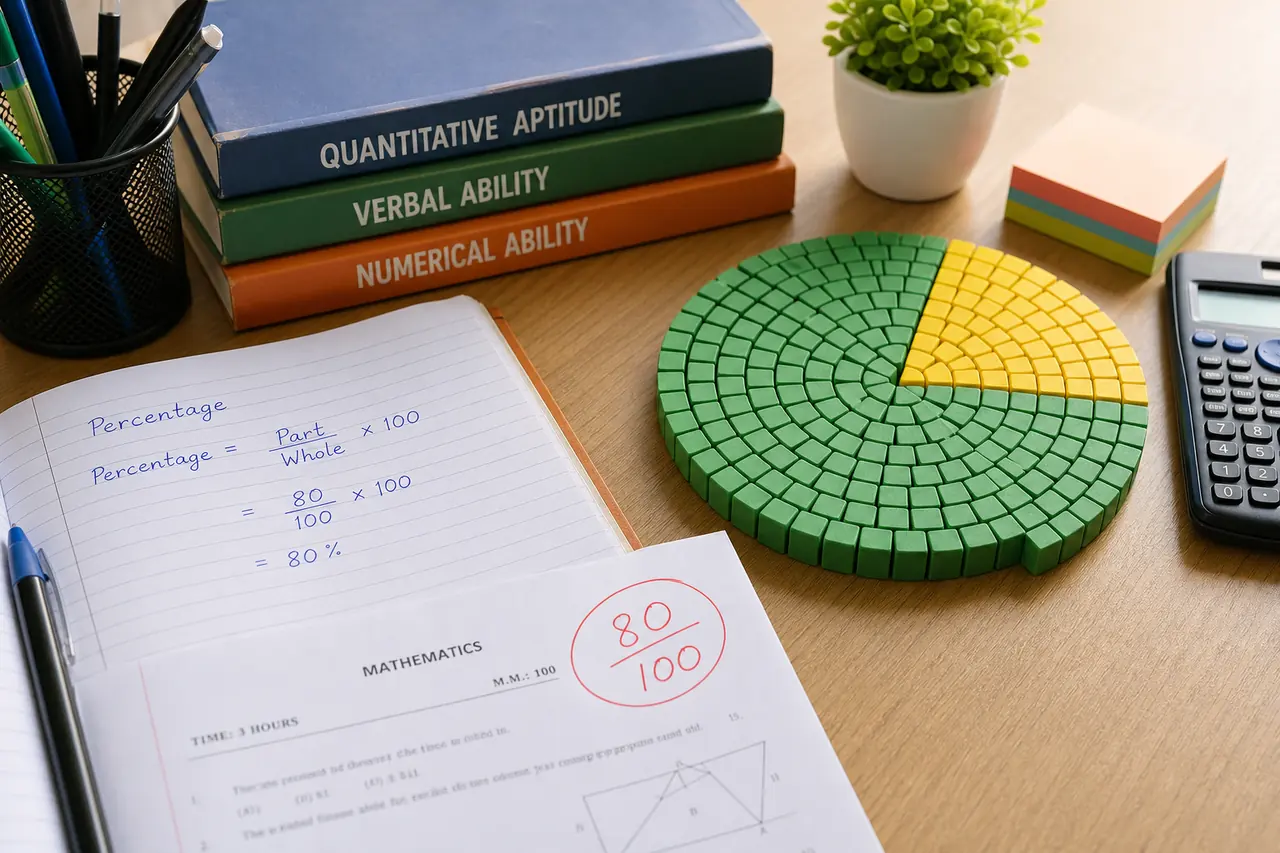
Percentage equals the part divided by the whole, multiplied by one hundred.
Understanding this simple relationship makes many other percentage calculations much easier.
Finding a Percentage of a Number
One of the most common calculations is finding a certain percentage of a value.
For example, suppose you want to find twenty percent of two hundred.
Convert the percentage into its decimal form.
Multiply the decimal by the total value.
The result is forty.
This method works for nearly every percentage calculation.
Example One Shopping Discount
Imagine a jacket costs one hundred dollars.
The store offers a twenty percent discount.
Twenty percent of one hundred equals twenty.
Subtract the discount from the original price.
The final price becomes eighty dollars.
Understanding percentages helps shoppers quickly determine how much money they save during sales.
Example Two Restaurant Tip
Suppose your restaurant bill is sixty dollars.
You decide to leave a fifteen percent tip.
Fifteen percent of sixty equals nine.
Your total payment becomes sixty-nine dollars.
Using percentages makes tipping calculations quick and accurate.
Example Three Exam Results
A student answers eighty-five questions correctly out of one hundred.
The exam score is eighty-five percent.
If the exam contains two hundred questions and the student answers one hundred seventy correctly, the percentage remains eighty-five percent because the same proportion is maintained.
Percentages allow fair comparisons across different exam sizes.
Example Four Salary Increase
An employee earns three thousand dollars each month.
The company announces a ten percent salary increase.
Ten percent of three thousand equals three hundred.
The new monthly salary becomes three thousand three hundred dollars.
Understanding percentage increases helps employees estimate future income accurately.
Example Five Sales Tax
A product costs two hundred dollars.
The local sales tax is eight percent.
Eight percent of two hundred equals sixteen.
The final price becomes two hundred sixteen dollars.
Calculating taxes becomes much easier with percentage knowledge.
Example Six Bank Savings
You deposit one thousand dollars into a savings account offering five percent annual interest.
Five percent of one thousand equals fifty.
After one year, your balance becomes one thousand fifty dollars, assuming simple annual interest.
Percentages help estimate investment growth.
Example Seven Business Profit
A business purchases products for five hundred dollars.
They sell the products for six hundred fifty dollars.
The profit equals one hundred fifty dollars.
Calculating the profit percentage helps business owners measure performance and compare different investments.
Understanding Percentage Increase
Percentage increases show how much a value has grown compared to its original amount.
For example, a phone originally costs four hundred dollars.
Its new price becomes four hundred eighty dollars.
The increase equals eighty dollars.
Comparing that increase with the original price gives the percentage increase.
Businesses frequently use percentage increases to evaluate sales, revenue, and market growth.
Understanding Percentage Decrease
Percentage decreases measure how much a value has fallen from its original amount.
Suppose a laptop costs one thousand dollars before a sale.
The sale price becomes eight hundred dollars.
The reduction equals two hundred dollars.
Comparing the reduction with the original price determines the percentage decrease.
Understanding decreases helps consumers evaluate discounts more accurately.
Percentage in Everyday Shopping
Retail stores frequently advertise discounts using percentages.
Ten percent off.
Twenty-five percent off.
Fifty percent clearance.
Understanding these offers helps shoppers compare deals and avoid misleading promotions.
Knowing how percentages work allows buyers to calculate actual savings quickly.
Percentage in Education
Schools and universities commonly use percentages to evaluate academic performance.
Attendance rates.
Assignment scores.
Examination results.
Course completion.
Grade averages.
Percentages provide a standardized method for measuring student achievement.
Percentage in Personal Finance
Personal financial planning often depends on percentage calculations.
Budget allocation.
Savings goals.
Loan interest.
Investment returns.
Credit card rates.
Insurance premiums.
Learning percentages improves financial decision-making and budgeting.
Percentage in Business
Businesses rely on percentages every day.
Profit margins.
Revenue growth.
Customer satisfaction.
Employee performance.
Marketing conversion rates.
Inventory changes.
Percentage analysis helps companies measure progress and identify areas for improvement.
Percentage in Health
Healthcare professionals use percentages in many situations.
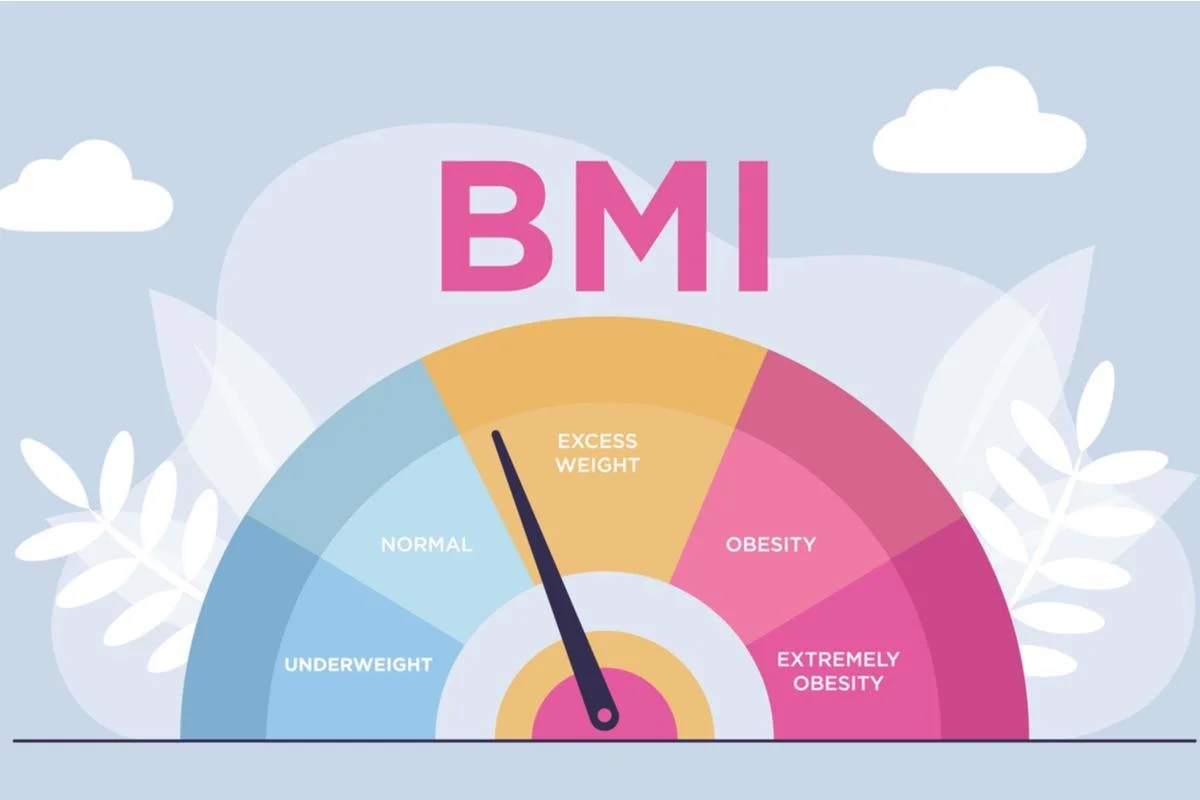
Body fat percentage.
Medicine concentration.
Recovery rates.
Nutrition labels.
Medical research.
Fitness tracking.
These calculations help both professionals and individuals monitor health more effectively.
Common Percentage Mistakes
Many people make simple errors when working with percentages.
Confusing percentages with decimal numbers.
Using the wrong starting value.
Adding percentages incorrectly.
Ignoring whether a calculation represents an increase or decrease.
Rounding too early.
Carefully identifying the original value helps prevent these mistakes.
Tips for Calculating Percentages Faster
Convert percentages into decimal form before multiplying.
Estimate answers mentally before calculating.
Check whether the result appears reasonable.
Practice using real-life examples.
Double-check important financial calculations.
Use online calculators when dealing with complex problems.
Regular practice builds confidence and speed.
Benefits of Understanding Percentages
Learning percentage calculations offers many practical advantages.
Improves shopping decisions.
Supports better financial planning.
Simplifies tax calculations.
Helps compare prices.
Improves academic performance.
Strengthens business analysis.
Increases mathematical confidence.
Enhances everyday problem-solving skills.
These benefits make percentage knowledge valuable throughout life.
Future Importance of Percentage Skills
As digital technology continues advancing, percentages remain an essential part of data analysis, finance, artificial intelligence, online marketing, healthcare, education, and scientific research.
Although modern calculators perform calculations instantly, understanding how percentages work allows people to interpret results correctly and make informed decisions.
Mathematical literacy will continue becoming increasingly valuable in both personal and professional environments.
Conclusion
Percentages are one of the most useful mathematical tools for solving everyday problems. They help people calculate discounts, taxes, salary increases, exam scores, business profits, investment returns, and countless other values quickly and accurately. Understanding the relationship between a part, a whole, and a percentage makes even complex calculations much easier to understand.
By practicing with real-life examples and applying percentage concepts during shopping, budgeting, studying, and financial planning, you can develop stronger mathematical skills and make more confident decisions. Whether you are a student, business owner, employee, or everyday consumer, mastering percentage calculations is a valuable skill that will continue benefiting you throughout your personal and professional life.