
Introduction
Maintaining a healthy body weight is one of the most important factors for overall health and well-being. A healthy weight can lower the risk of heart disease, diabetes, high blood pressure, certain cancers, and many other health conditions. However, many people find it difficult to determine whether their weight falls within a healthy range. This is where a Body Mass Index, commonly known as BMI, becomes a useful tool.
A BMI calculator provides a quick estimate of whether your weight is appropriate for your height. Although it does not directly measure body fat, it serves as a helpful screening tool for identifying potential weight-related health risks. Doctors, healthcare professionals, fitness trainers, and public health organizations frequently use BMI as part of general health assessments.
This guide explains how a BMI calculator works, what your results really mean, its benefits, limitations, and how to use BMI as part of a healthier lifestyle.
What Is BMI
Body Mass Index is a numerical value calculated using a person’s height and weight.
The purpose of BMI is to estimate whether a person’s body weight falls within a healthy range.
Rather than measuring body fat directly, BMI compares weight with height to identify possible health risks associated with being underweight, overweight, or obese.
Because the calculation is simple, BMI has become one of the most widely used health screening tools around the world.
Why BMI Matters
Maintaining a healthy body weight contributes to better physical health and improved quality of life.
A BMI assessment can help identify individuals who may be at greater risk for health conditions related to weight.
Early awareness allows people to make lifestyle changes before serious medical problems develop.
Although BMI is not a medical diagnosis, it provides valuable information that supports better health decisions.
How a BMI Calculator Works
A BMI calculator requires only two pieces of information.
Height.
Weight.
Using these values, the calculator estimates a BMI score that falls into one of several health categories.
The calculation is completed instantly, making it one of the easiest health assessment tools available.
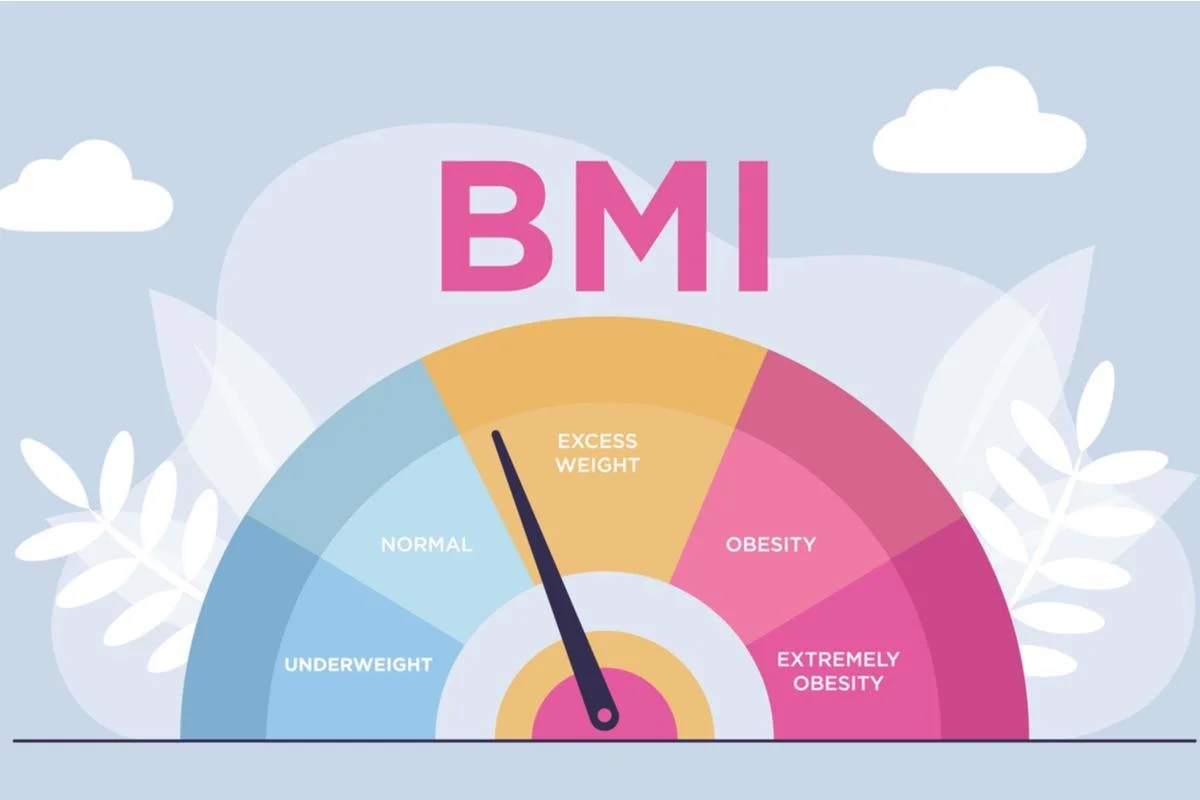
Understanding BMI Categories
BMI results are generally grouped into several categories.
Underweight.
Healthy weight.
Overweight.
Obesity.
Each category provides an indication of possible health risks associated with body weight.
These categories are intended as general guidelines rather than exact medical diagnoses.
What an Underweight Result Means
A BMI within the underweight range may indicate that a person is not receiving enough nutrition or has lost weight unexpectedly.
Being underweight can sometimes increase the risk of weakened immunity, nutritional deficiencies, reduced muscle strength, lower energy levels, and decreased bone density.
Maintaining a balanced diet and seeking professional medical advice when necessary can help address these concerns.
What a Healthy Weight Means
A BMI within the healthy range generally suggests that body weight is appropriate for a person’s height.
People in this category often have a lower risk of many weight-related diseases compared with those outside the recommended range.
However, maintaining a healthy weight also requires regular physical activity, balanced nutrition, adequate sleep, and other healthy lifestyle habits.
BMI alone does not guarantee perfect health.
What an Overweight Result Means
An overweight BMI may indicate that body weight exceeds the recommended range for a person’s height.
Extra body weight can increase the likelihood of developing high blood pressure, heart disease, type 2 diabetes, joint problems, and other chronic conditions.
Small lifestyle improvements such as healthier eating habits and regular exercise can often produce meaningful long-term benefits.
What an Obesity Result Means
A BMI within the obesity category may indicate a higher risk of serious health complications.
These may include cardiovascular disease, sleep apnea, certain cancers, liver disease, and metabolic disorders.
Early intervention through healthy lifestyle changes and professional healthcare guidance can significantly improve long-term health outcomes.
Benefits of Using a BMI Calculator
A BMI calculator offers several practical advantages.
Quick health screening.
Easy to use.
Requires only height and weight.
Provides immediate results.
Supports weight management goals.
Helps monitor long-term progress.
Useful for both individuals and healthcare professionals.
These benefits make BMI one of the most commonly used health assessment tools.
BMI and Weight Management
People trying to lose, gain, or maintain weight often use BMI to monitor progress.
Although the number should not become the only focus, tracking BMI over time can help identify gradual changes in overall body weight.
Combining BMI with healthy lifestyle habits provides a more complete picture of personal health.
BMI for Adults
BMI is primarily designed for adults.
Healthcare professionals use it to estimate weight categories and evaluate possible health risks.
Adults should interpret BMI alongside other factors such as age, activity level, family medical history, and overall physical health.
BMI for Children and Teenagers
Children and teenagers grow at different rates than adults.
Their BMI assessments consider age and sex in addition to height and weight.
Healthcare providers use specialized growth charts rather than adult BMI categories when evaluating younger individuals.
Limitations of BMI
Although BMI is useful, it has important limitations.
It does not directly measure body fat.
It cannot distinguish between muscle and fat.
Highly trained athletes may have a high BMI despite having very little body fat.
Older adults may have a normal BMI while carrying less muscle mass.
Pregnant women require different health assessments.
Because of these limitations, BMI should be viewed as a screening tool rather than a complete health evaluation.
Other Factors That Influence Health
Good health depends on much more than body weight alone.
Balanced nutrition.
Regular exercise.
Sleep quality.
Stress management.
Blood pressure.
Cholesterol levels.
Blood sugar control.
Mental well-being.
These factors contribute significantly to overall health regardless of BMI.
How to Maintain a Healthy BMI
Maintaining a healthy BMI usually involves consistent healthy habits.
Eat a balanced diet rich in fruits, vegetables, whole grains, and lean proteins.
Stay physically active throughout the week.
Limit highly processed foods and sugary drinks.
Drink enough water.
Get adequate sleep.
Manage stress effectively.
Attend regular health checkups.
Healthy habits support both weight management and overall well-being.
Common Mistakes When Interpreting BMI
Many people misunderstand what BMI actually represents.
Assuming BMI measures body fat directly.
Ignoring muscle mass.
Comparing results without considering age or overall health.
Using BMI as the only measure of fitness.
Expecting rapid changes after short-term lifestyle adjustments.
Avoiding these misunderstandings leads to more accurate health awareness.
Tips for Using a BMI Calculator Correctly
Measure height accurately.
Use your current body weight.
Calculate BMI regularly rather than daily.
Track long-term trends instead of short-term changes.
Combine BMI with other health indicators.
Consult healthcare professionals when results raise concerns.
Use BMI as a guide rather than a final diagnosis.
These practices provide more meaningful health insights.
Benefits of Monitoring BMI Regularly
Regular BMI tracking can help identify gradual weight changes before they become significant.
It encourages healthier lifestyle choices.
Supports fitness planning.
Motivates long-term progress.
Provides useful information during routine medical checkups.
Early awareness often leads to earlier action and better health outcomes.
Future of BMI and Digital Health
Modern health technology continues improving rapidly.
Many health applications now combine BMI with wearable fitness devices, nutrition tracking, body composition analysis, and personalized health recommendations.
Artificial intelligence is also helping provide more individualized health assessments by considering multiple health indicators rather than relying on BMI alone.
Future digital health tools will likely offer even more accurate and personalized insights.
Conclusion
A BMI calculator is a simple yet valuable tool for understanding whether your weight falls within a healthy range based on your height. While it does not directly measure body fat or provide a complete picture of your health, it serves as an effective starting point for identifying potential weight-related risks and encouraging healthier lifestyle choices.
By interpreting BMI alongside other important factors such as nutrition, physical activity, muscle mass, medical history, and overall well-being, individuals can make more informed decisions about their health. Regular monitoring, combined with balanced eating habits, consistent exercise, quality sleep, and routine medical checkups, provides the strongest foundation for achieving and maintaining long-term health.