Introduction
Temperature is one of the most commonly measured quantities in everyday life. We check the weather before leaving home, measure body temperature during illness, monitor cooking temperatures in the kitchen, and rely on accurate temperature readings in science, engineering, medicine, and manufacturing. However, different countries and industries use different temperature scales, making temperature conversion an essential skill.
The three most widely used temperature scales are Celsius, Fahrenheit, and Kelvin. While Celsius is commonly used in most countries, Fahrenheit remains popular in a few regions, and Kelvin is the standard unit for scientific research and engineering. Understanding how to convert between these scales helps students, professionals, travelers, and everyday users interpret temperature values correctly.
This complete guide explains the differences between Celsius, Fahrenheit, and Kelvin, how temperature conversion works, where each scale is used, and why accurate conversion matters.
Understanding Temperature Scales
A temperature scale is a standardized method of measuring how hot or cold an object or environment is.
Different scales use different reference points, but they all measure the same physical property.
Although the numbers may vary, the actual temperature remains identical after conversion.
Learning how these scales relate to one another makes temperature conversion much easier.
What Is Celsius
Celsius is the most widely used temperature scale in the world.
It is commonly used for weather forecasts, cooking, education, healthcare, and everyday measurements.
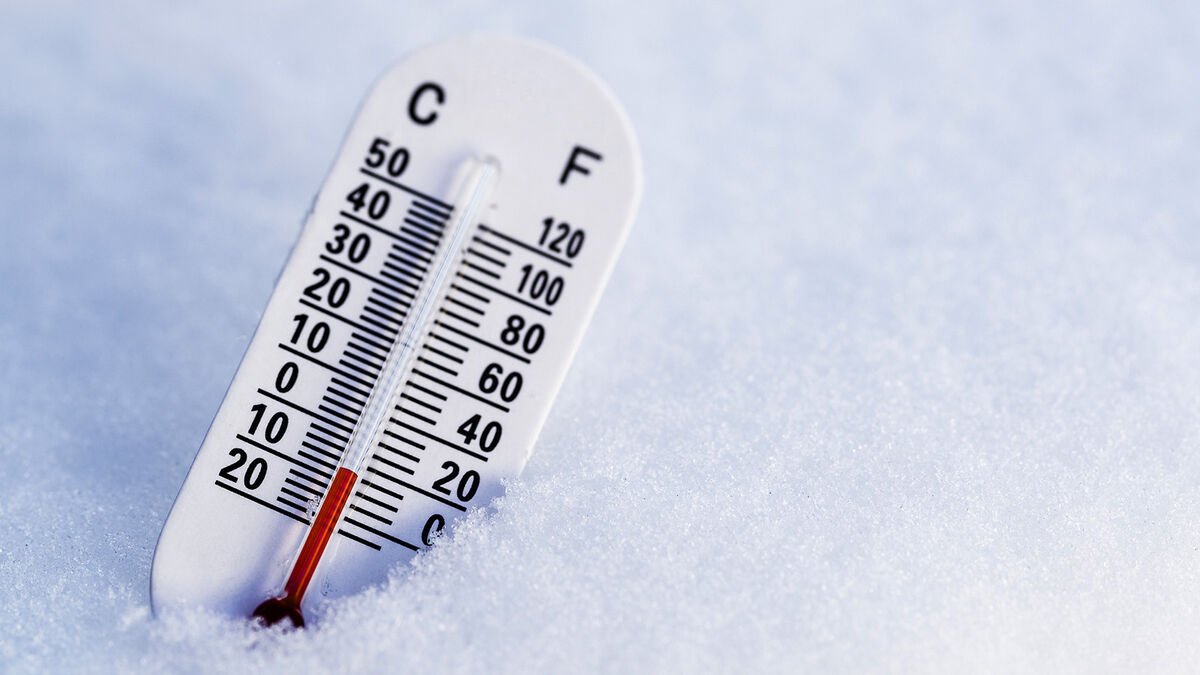
On the Celsius scale, pure water freezes at zero degrees and boils at one hundred degrees under standard atmospheric conditions.
Its simple structure makes it easy to understand and widely accepted internationally.
What Is Fahrenheit
Fahrenheit is primarily used in the United States and a few other regions.
On this scale, water freezes at thirty-two degrees and boils at two hundred twelve degrees under standard atmospheric pressure.
Because the Fahrenheit scale uses smaller intervals, it provides greater precision for everyday weather reporting without using decimal values.
People living in countries that use Fahrenheit rely on it for weather forecasts, household appliances, and body temperature measurements.
What Is Kelvin
Kelvin is the standard temperature scale used in science and engineering.
Unlike Celsius and Fahrenheit, Kelvin does not use the word degree.
Its starting point is absolute zero, the lowest possible temperature where molecular motion theoretically stops.
Water freezes at approximately two hundred seventy-three Kelvin and boils at approximately three hundred seventy-three Kelvin.
Kelvin is widely used in physics, chemistry, astronomy, and scientific research because it is directly connected to thermodynamic calculations.
Why Temperature Conversion Is Important
Different countries, industries, and scientific fields often use different temperature scales.
Without accurate conversion, misunderstandings may occur in research, manufacturing, healthcare, cooking, travel, and education.
Correct temperature conversion ensures that everyone interprets measurements consistently regardless of the scale being used.
Everyday Uses of Temperature Conversion
Temperature conversion is useful in many daily activities.
Checking international weather forecasts.
Following recipes from different countries.
Monitoring body temperature.
Using laboratory equipment.
Operating industrial machinery.
Travel planning.
Educational assignments.
Scientific experiments.
Understanding different temperature scales improves communication and reduces confusion.
Temperature Conversion in Cooking
Recipes created in different countries often specify oven temperatures using different scales.
Accurate conversion ensures food cooks properly while maintaining the intended texture, flavor, and safety.
Incorrect temperature conversion may lead to undercooked or overcooked meals.
Temperature Conversion in Healthcare
Healthcare professionals frequently monitor body temperature.
Medical equipment may display readings using different temperature scales depending on the country or manufacturer.
Accurate conversion helps ensure correct diagnosis and treatment decisions.
Even small temperature differences may be medically significant.
Temperature Conversion in Science
Scientific research depends on highly accurate temperature measurements.
Chemistry experiments.
Physics calculations.
Biological studies.
Environmental research.
Engineering projects.
Most scientific calculations require Kelvin because it begins at absolute zero and simplifies many physical equations.
Understanding temperature conversion is essential for scientific accuracy.
Temperature Conversion in Weather Forecasting
Weather reports around the world commonly use either Celsius or Fahrenheit.
Travelers often encounter unfamiliar temperature scales when visiting other countries.
Learning temperature conversion helps people understand weather conditions more easily and prepare appropriately.
Temperature Conversion in Industry
Many industries depend on precise temperature control.
Food production.
Pharmaceutical manufacturing.
Chemical processing.
Metalworking.
Electronics manufacturing.
Accurate conversion ensures equipment operates safely and products meet quality standards.
Benefits of Understanding Temperature Conversion
Learning temperature conversion offers many practical advantages.
Improves communication.
Supports international travel.
Helps students succeed academically.
Enhances scientific understanding.
Improves cooking accuracy.
Supports healthcare decisions.
Reduces measurement errors.
Strengthens problem-solving skills.
These benefits make temperature conversion valuable in everyday life.
Common Temperature Conversion Mistakes
Many people accidentally make errors while converting temperatures.
Confusing Celsius with Fahrenheit.
Using incorrect conversion formulas.
Forgetting to convert scientific values into Kelvin.
Entering incorrect numbers into calculators.
Rounding values too early.
Misreading decimal points.
Reviewing calculations carefully helps prevent these mistakes.
Tips for Accurate Temperature Conversion
Identify the original temperature scale before converting.
Double-check all entered values.
Use reliable conversion tools when necessary.
Understand the approximate relationship between different scales.
Keep sufficient decimal precision for scientific work.
Review final answers to ensure they are reasonable.
Practice using real-world examples.
These habits improve both speed and accuracy.
Online Temperature Conversion Tools
Modern online converters make temperature conversion quick and convenient.
Users simply enter a temperature value, select the original scale, choose the desired output scale, and receive accurate results instantly.
These tools reduce calculation errors while saving valuable time.
Although online converters are highly useful, understanding the basic principles behind temperature scales remains important.
Future of Temperature Measurement
Temperature measurement technology continues advancing through digital sensors, smart devices, wearable health monitors, and artificial intelligence.
Modern systems automatically convert between temperature scales while improving measurement accuracy.
Future technologies will likely provide even faster, more precise, and fully automated temperature monitoring across healthcare, science, manufacturing, and everyday consumer devices.
Understanding temperature conversion today prepares users for these evolving technologies.
Conclusion
Converting temperature between Celsius, Fahrenheit, and Kelvin is an essential skill that supports everyday activities as well as scientific and professional work. Whether you are reading international weather forecasts, preparing recipes, monitoring health, conducting laboratory research, or operating industrial equipment, accurate temperature conversion ensures reliable communication and correct decision making.
By understanding the purpose of each temperature scale, recognizing where each one is commonly used, avoiding common conversion mistakes, and using reliable conversion methods, you can confidently work with temperatures in any situation. As technology continues advancing, temperature conversion will remain a valuable practical skill that supports education, science, travel, healthcare, and countless daily tasks.